
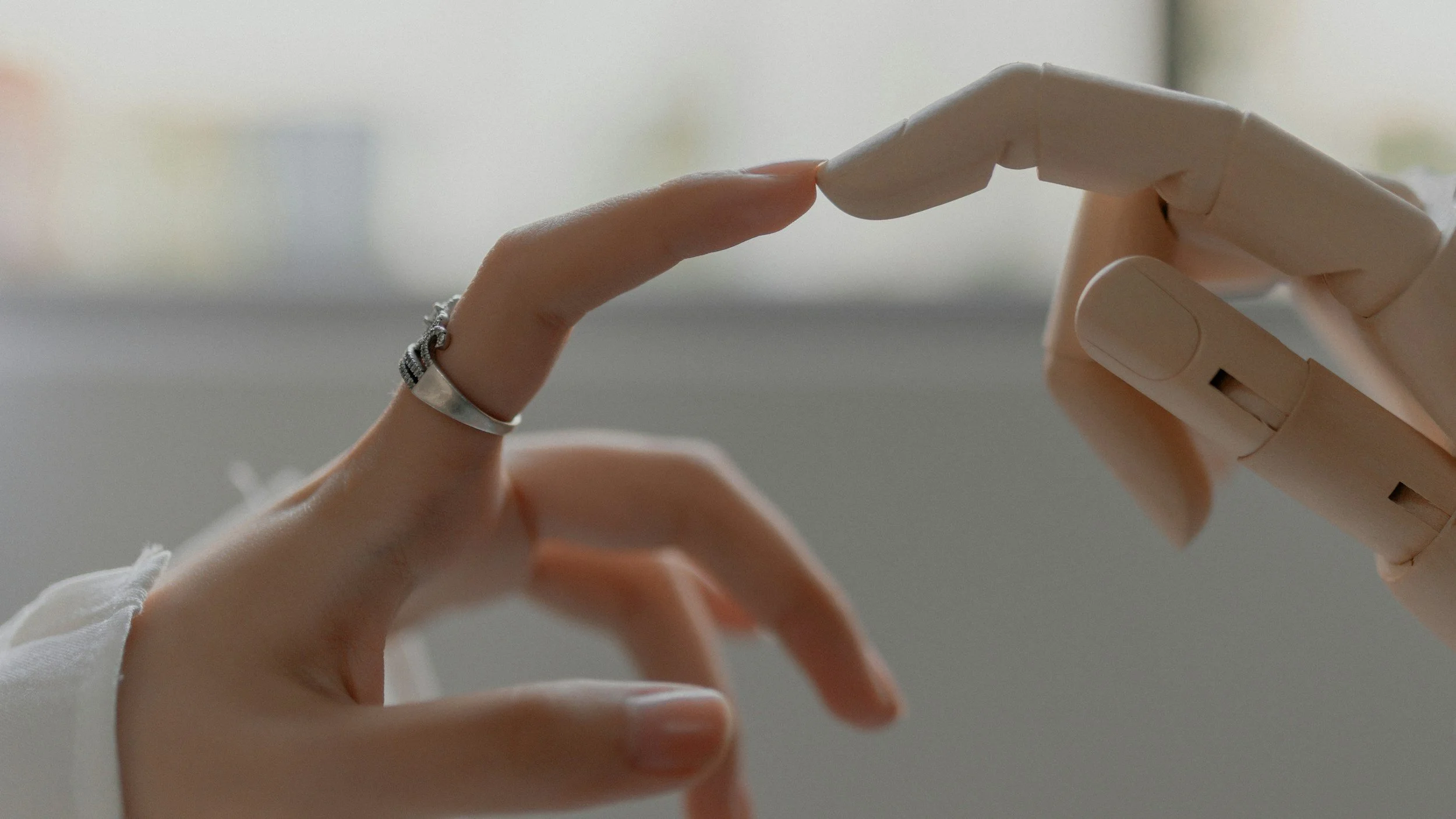
Why a Real Human Therapist Still Beats Talking to a Chatbot
Look, AI chatbots are everywhere right now, and some of them are surprisingly good at sounding like they care. They’ll remember your dog’s name, offer up a breathing exercise at 2 a.m., and never judge you for canceling plans because you “just can’t people today.” That’s nice. But it’s not therapy.
Therapy is something a licensed professional does. It involves training, clinical judgment, ethical responsibility, and an actual relationship with another human being. Chatbots don’t have any of those things. They have algorithms and a lot of internet data. There’s a difference.
The Relationship Actually Matters
Decades of research keep showing the same thing: the quality of the relationship between you and your therapist is one of the strongest predictors of whether therapy helps. One large meta-analysis looking at nearly 300 studies and more than 30,000 people found a solid connection between the strength of that alliance and better outcomes (Flückiger et al., 2018).
A good therapist notices when you’re holding something back, can gently (or not-so-gently) challenge you when you’re stuck in an old pattern, and can sit with the messy, complicated parts of being a person. A chatbot can generate a supportive-sounding paragraph. It can’t actually be in the room with you.
What a Therapist Sees That a Chatbot Never Will
Imagine someone sitting across from you, telling a story about their childhood. They’re describing a moment that was clearly painful—being left alone for hours, a parent’s harsh words, the quiet ache of feeling invisible. But while they’re talking, they let out a small laugh. It’s quick, almost automatic. Their shoulders are tight, their eyes don’t quite match the smile, and they glance away for half a second before continuing like nothing happened.
A skilled therapist notices the mismatch. They might gently say something like, “I noticed you laughed just then. What was that about?” That simple observation can open a door the client didn’t even realize was there—shame, a habit of minimizing pain, or an old survival strategy of making light of hard things so they don’t overwhelm anyone. The therapist can then help them stay with the feeling instead of skipping past it.
A chatbot never sees any of this. It only gets the words. It has no idea the person just laughed while describing something sad, that their voice got smaller, or that they started fidgeting with their sleeve the moment the topic got close to the real issue. It can’t notice the difference between “I’m fine” said with a relaxed posture and “I’m fine” said while someone’s foot is bouncing and their jaw is clenched. Those tiny, human details are often where the real work lives.
Humans Still Do the Job Better
When researchers compared a real therapist and ChatGPT doing text-based cognitive behavioral therapy on the same scenarios, the human came out ahead on the things that actually matter in therapy—things like guiding the conversation well, asking useful questions, collaborating with the client, and applying techniques skillfully. Reviewers described the AI version as more rigid and impersonal (Acevedo, Aneja, et al., 2025).
In other words, the chatbot could follow the general outline. The human therapist could actually do therapy.
Safety Isn’t Optional
There’s also the practical issue of what happens when things get serious. A 2025 Stanford study found that several therapy-style chatbots showed stigma toward certain conditions and, in some cases, responded poorly (or even dangerously) to prompts involving suicidal thinking or delusions. In one example, when someone hinted at distress and asked about tall bridges, certain bots just… listed bridge heights (Moore et al., 2025).
A licensed therapist is trained to recognize risk, respond appropriately, and is held accountable by licensing boards and ethical standards. A chatbot is not.
Bottom Line
AI tools can be interesting, convenient, and sometimes even helpful for basic information or a quick pep talk. They are not a substitute for working with a licensed professional. If you’re looking for real support—someone who can understand your specific situation, notice what you’re not saying, challenge you when needed, and take responsibility for the care they provide—that still requires a human being with training and a license.